













 Back to List
Ask HJT | Why Do HJT Solar Panels Generate More Power Under Low-Light Conditions?


The performance of a solar power plant is not defined solely by peak output under clear skies. Equally important is how consistently the system can generate electricity when sunlight is limited—during early mornings, late afternoons, or overcast days.
Under the same irradiance, why do heterojunction (HJT) modules consistently deliver higher energy yield?
In this edition of Ask HJT, Dinto Solar focuses on a critical yet often underestimated advantage of heterojunction technology: outstanding low-light performance.
Let’s start with the core question.
Decoding the Low-Light Advantage of HJT
What is “low-light performance”?
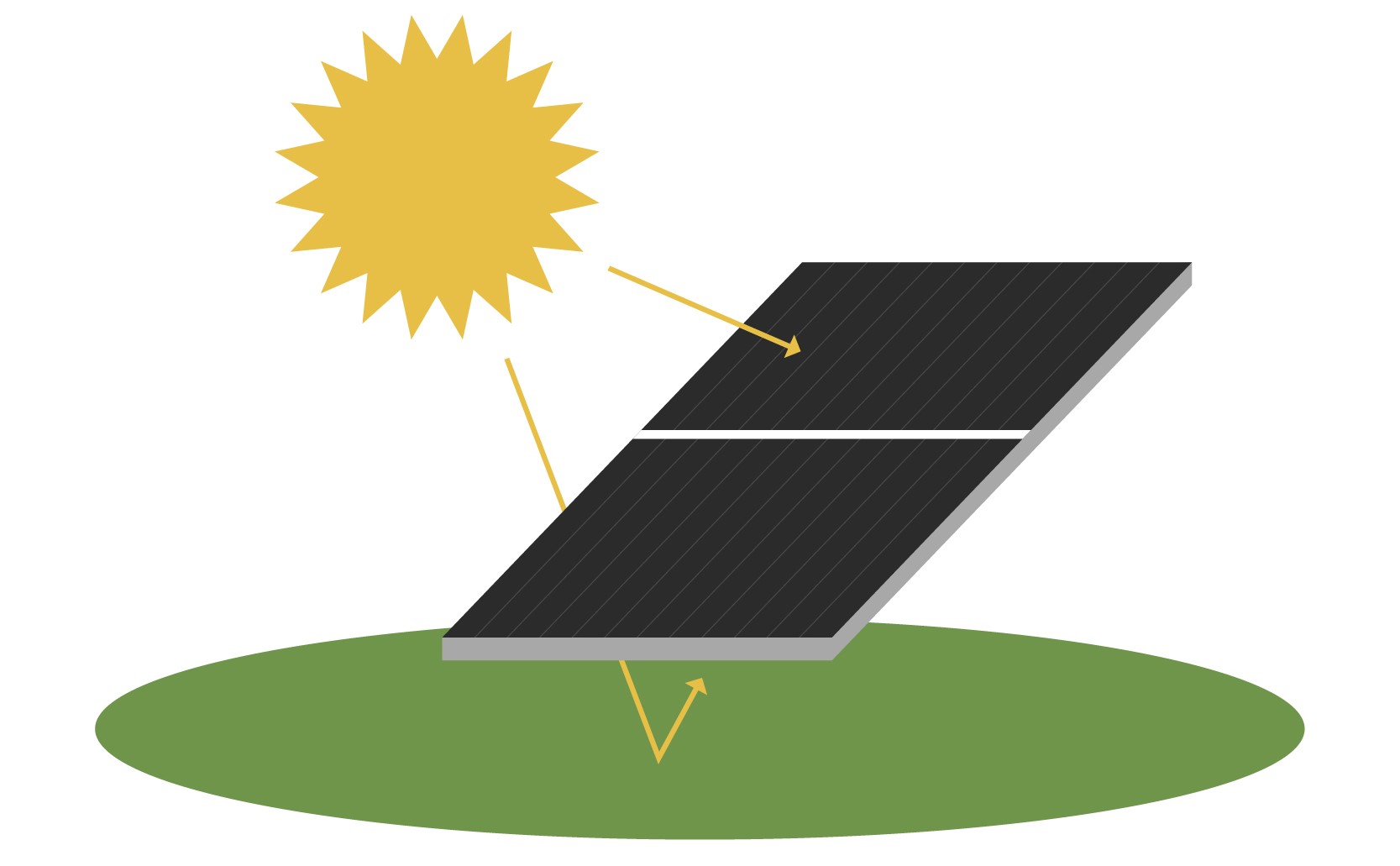
In the photovoltaic industry, low-light performance typically refers to low-irradiance performance—a module’s ability to generate power when irradiance falls below standard test conditions (1,000 W/m²).
In real-world operation, this includes sunrise and sunset periods, cloudy weather, and conditions affected by haze or fog. Strong low-light performance directly determines how long a solar plant can remain productively generating power each day.
Why does open-circuit voltage (Voc) play such a critical role?
Open-circuit voltage represents the upper limit of a module’s electrical potential. Under low-irradiance conditions, a higher Voc enables modules to reach the inverter’s start-up voltage more easily.
This allows the system to:
- Start generating earlier in the morning
- Continue operating later into the evening
- Maintain a longer effective daily operating window
In low-light environments, voltage—not current—often becomes the decisive factor.
✅ Correct answer to Q1: B
The Physical Foundations Behind HJT’s Low-Light Strength
Heterojunction technology achieves superior low-light performance through a combination of structural and material advantages.
Higher Voc enables stronger start-up capability
By integrating crystalline silicon wafers with amorphous silicon layers, HJT cells typically achieve Voc values around 750 mV, providing a 20–30 mV advantage over other mainstream cell technologies.
Multiple mechanisms preserve efficiency
Beyond high voltage, HJT benefits from:
- Excellent interface passivation, which reduces carrier recombination losses
- A symmetric cell structure, enabling more effective light capture from multiple angles
Together, these mechanisms help sustain efficiency as irradiance decreases.
Extended productive hours by design
Thanks to their high-voltage characteristics, HJT modules begin generating earlier and stop later than conventional technologies—effectively extending daily energy production under low-light conditions.
Strong power retention at low irradiance
Under typical weak-light environments such as 200–400 W/m², high-quality HJT modules demonstrate significantly higher power-output retention compared with conventional alternatives.
Through continuous optimization of intrinsic amorphous silicon deposition and interface engineering, Dinto Solar further enhances carrier collection efficiency—ensuring reliable power output even when sunlight is limited.
Real-World Value: Where Does Low-Light Performance Matter Most?
The value of low-light performance depends on how long and how widespread low-irradiance conditions persist.
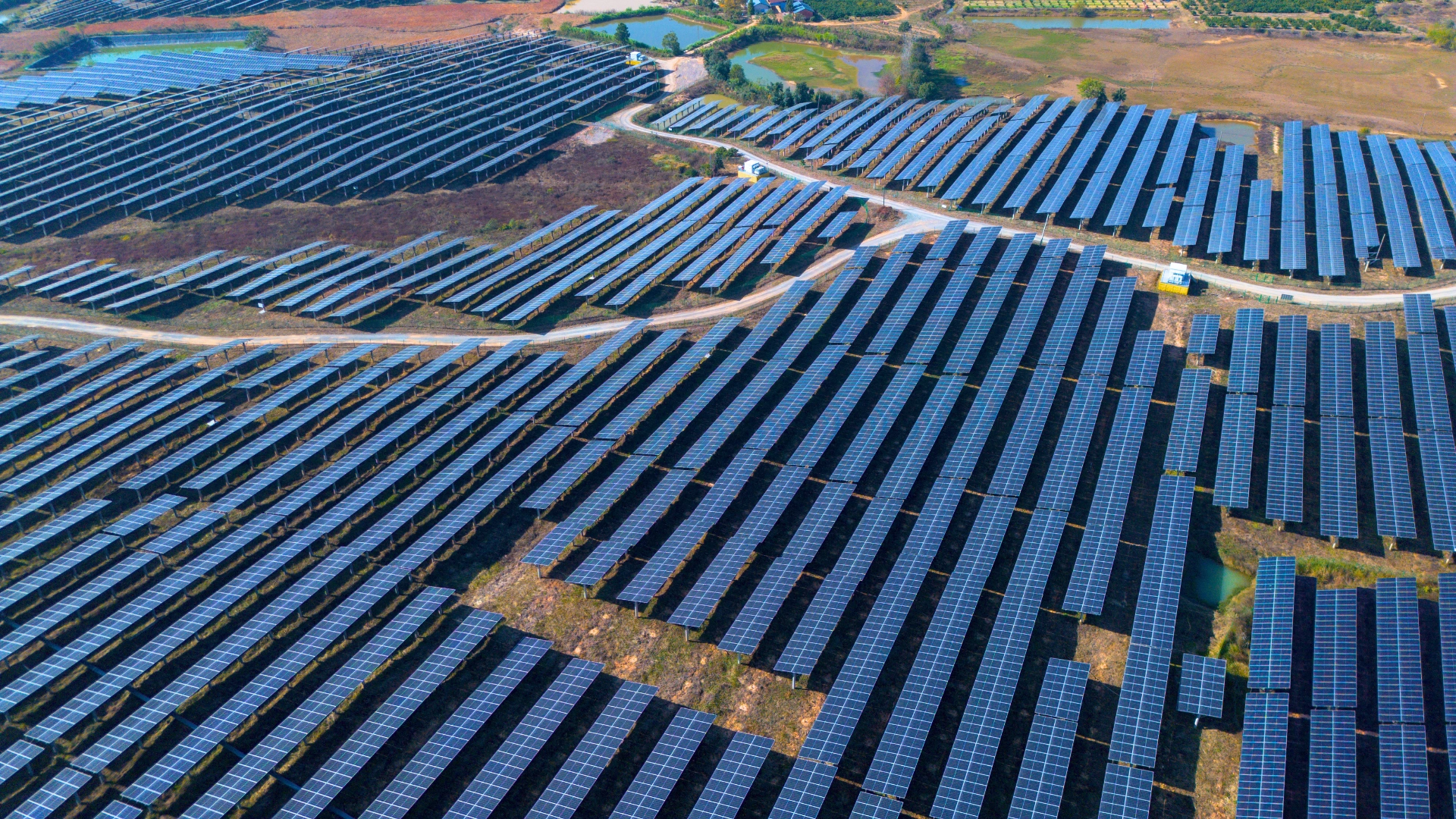
For example, in mountainous regions, terrain shading naturally extends early-morning and late-afternoon low-light periods. When combined with prolonged cloud cover, weak irradiance becomes the norm rather than the exception. In these long-lasting, large-area low-light conditions, HJT’s high Voc advantage is fully utilized—producing the most significant gains in quarterly and annual energy yield.
✅ Correct answer to Q1: B
With its outstanding low-light performance, heterojunction modules operate as true all-day power generators—effectively extending daily productive hours.

This advantage translates directly into measurable gains: higher total energy output across the day, a stronger capacity factor, and increased utilization hours over the year. The result is a lower levelized cost of electricity and improved full-lifecycle returns for investors.
What may appear as an “invisible” parameter on a datasheet is, in practice, delivering very visible value for solar power plants in real operating conditions.
We welcome you to share your own insights on heterojunction technology or let us know which HJT questions you would like us to explore next. Selected topics will be featured in future installments of Ask HJT.