
















 Back to List
The Economics of Offshore PV: How Dinto Solar HJT Delivers Greater Project Value


Heterojunction (HJT) technology has established a strong track record in utility-scale PV, supported by high power output, high bifaciality and a superior temperature coefficient. As solar deployment continues to expand, land availability, project economics and access to suitable sites are becoming increasingly important considerations. At the same time, many coastal regions combine strong electricity demand with limited land resources, creating significant potential for offshore PV as a new frontier for solar development.
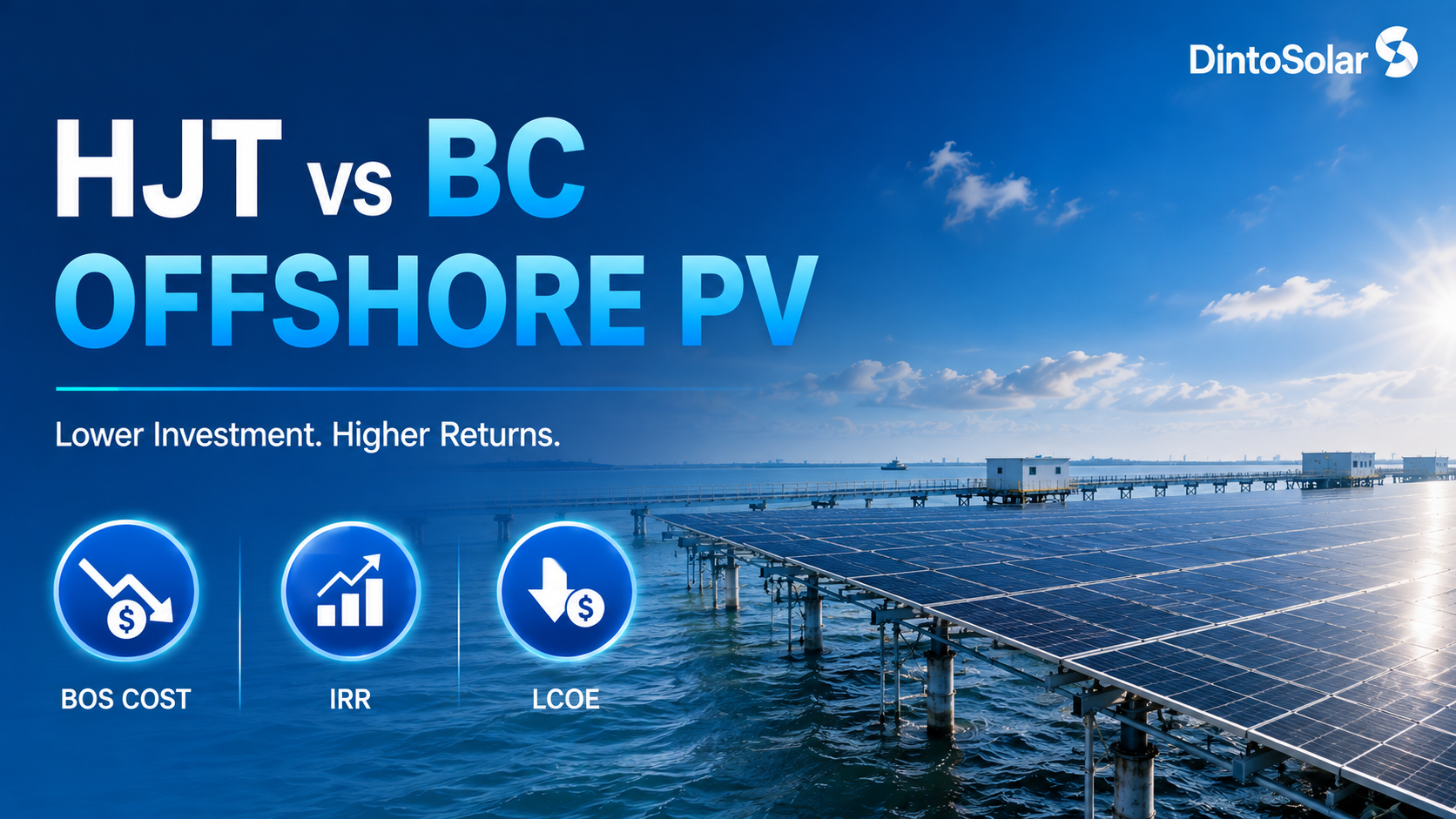
Moving solar generation offshore can help ease land constraints while bringing renewable power closer to coastal load centers. It also creates opportunities for integrated applications combining PV with offshore wind, aquaculture, green hydrogen and other marine industries.
China provides a clear example of this momentum. The country’s planned offshore PV capacity has exceeded 100 GW, highlighting the substantial development potential of this emerging market.
Moving Offshore: What Kind of Module Is Better Suited?
As offshore PV expands, module selection becomes increasingly important to project performance and economics. Operating conditions at sea differ significantly from those of conventional ground-mounted PV. High humidity, salt exposure, strong solar irradiance, wind and waves place greater demands on long-term module performance and reliability.
For developers, the right module therefore needs to deliver more than high nameplate power. Energy yield, system costs and long-term reliability all play a role in determining the overall value of an offshore PV project.
How Does Higher HJT Power Translate into Project Returns?
Sea areas available for offshore PV development require planning, assessment and approval, making efficient use of the available project area particularly important. Higher-power modules can accommodate more installed capacity within a given area while requiring fewer modules for the same system capacity. This can reduce mounting structures, installation work and other balance-of-system (BOS) costs, contributing to more efficient resource utilization and stronger investment returns.
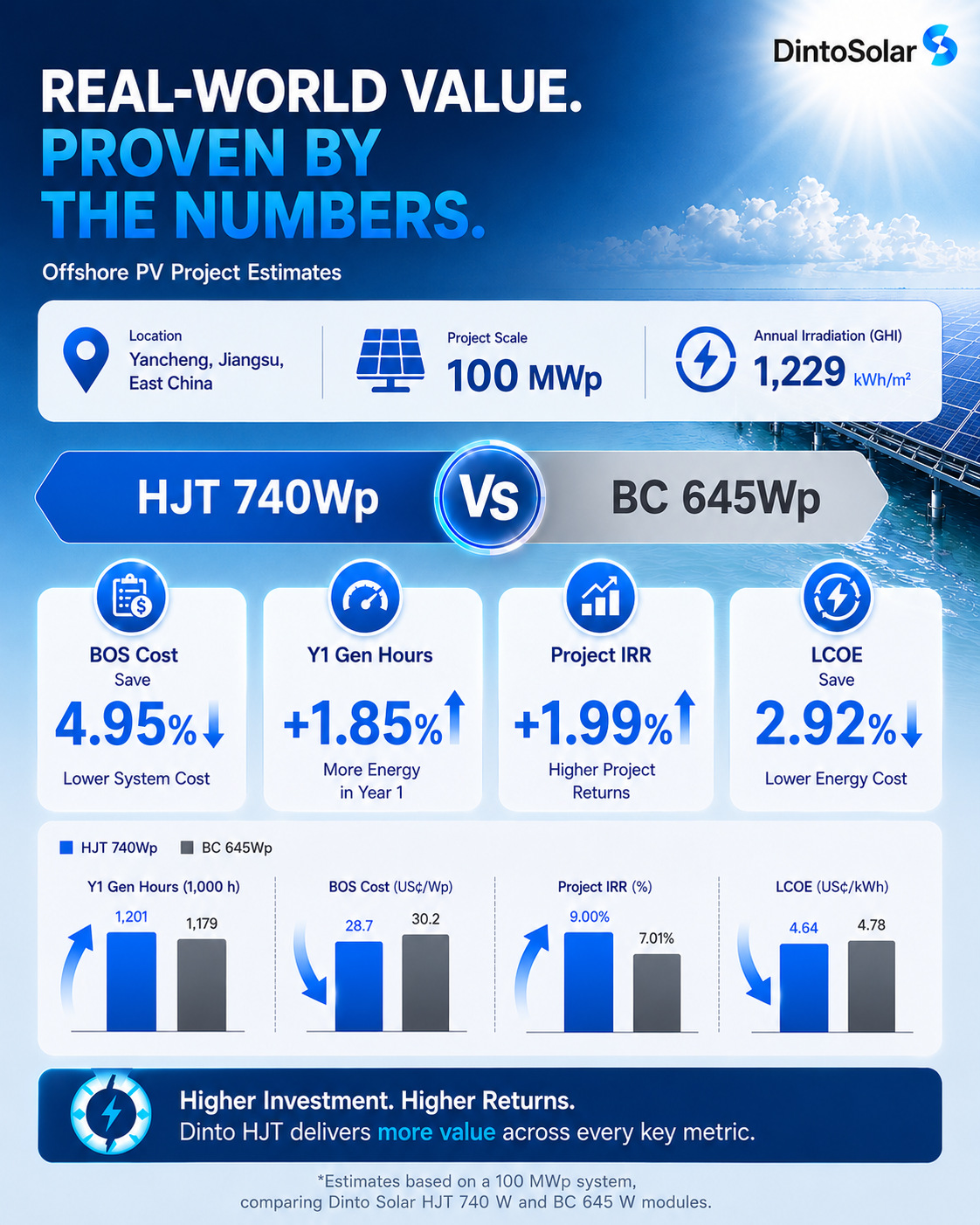
A simulation for a nearshore PV project in Yancheng, Jiangsu Province, China, compared Dinto Solar’s 740 W HJT module with a 645 W BC module under fixed-tilt configurations. The HJT solution reduced BOS costs by approximately US¢1.52/W (RMB 0.1019/W), or about 4.95%, while increasing first-year equivalent full-load hours by 1.85%. Over a 25-year project lifetime, the modeled project IRR increased by 1.99 percentage points.
The comparison demonstrates that the economic value of higher module power extends beyond wattage, with benefits reflected in BOS costs, energy generation and long-term project returns.
HJT Powers an Offshore PV-to-Hydrogen Demonstration Project
Dinto Solar’s G12-132 offshore PV modules have been deployed in an offshore PV-to-hydrogen demonstration project near Dafeng Port in Yancheng, Jiangsu Province, China.
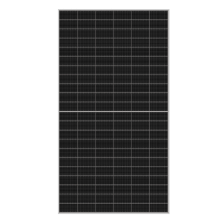
The module reaches a champion power output of 750 W and a champion efficiency of 24.14%. To address high salt exposure, high temperature and humidity, and strong wind and wave conditions, the module incorporates PIB edge sealing, double-sided coated glass and a composite frame design. These packaging and structural optimizations enhance the module’s environmental adaptability for offshore applications.
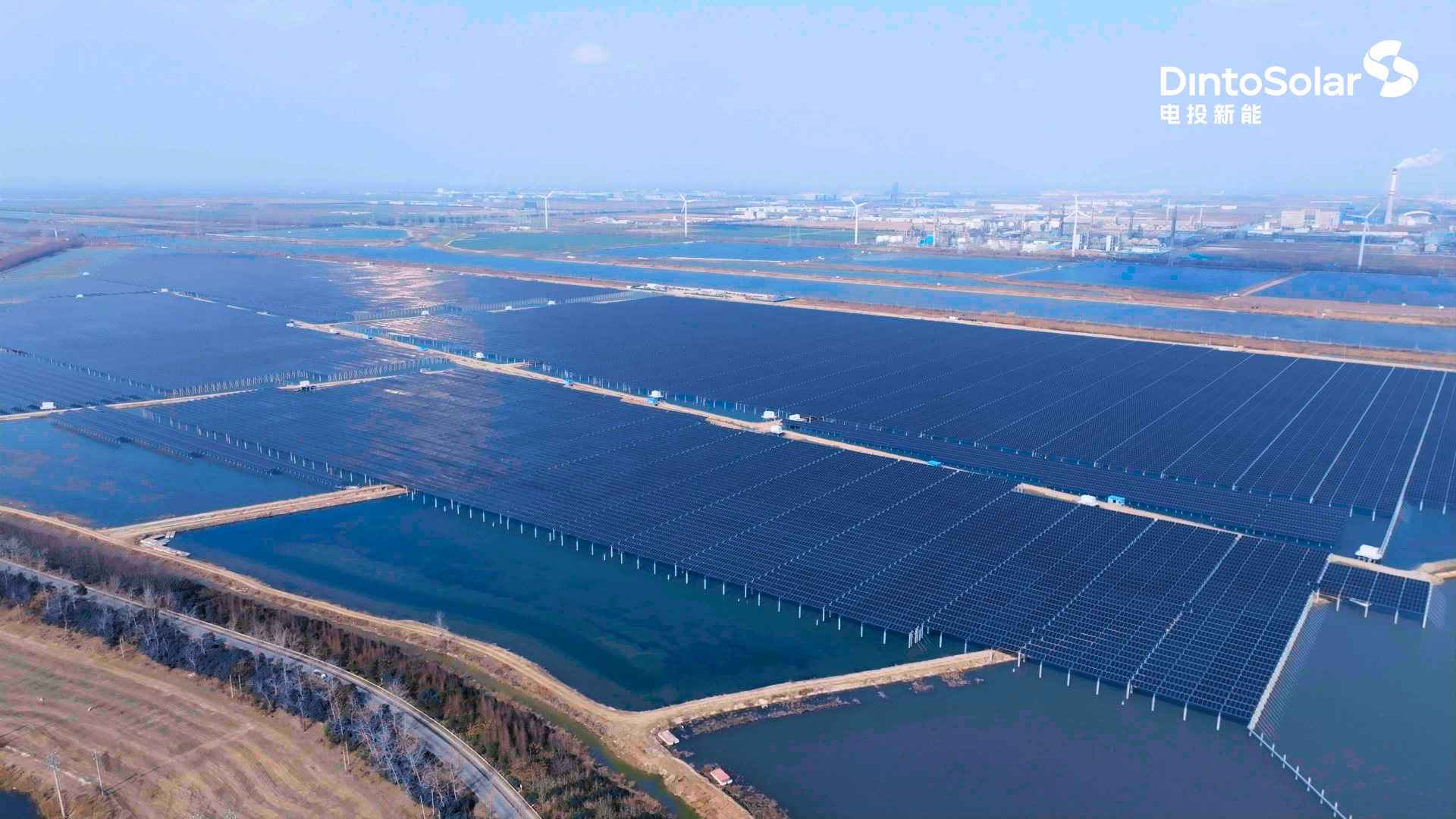
The project goes beyond bringing PV generation offshore. It integrates aquaculture, solar power generation and green hydrogen production within the same marine area. The project is expected to generate approximately 350 million kWh of renewable electricity annually while producing around 3,000 tonnes of green hydrogen per year.
Solar generation takes place above the water while aquaculture continues below, with renewable electricity further extending into green hydrogen production. This integrated model enables more diversified use of marine resources and creates broader opportunities for industrial synergies.
Turning HJT Performance into Offshore PV Value
As coastal regions explore new opportunities for renewable energy development, offshore PV is opening up additional space for solar while enabling closer integration with marine industries. As more projects move from planning to deployment, module selection will play an increasingly important role in determining installed capacity, energy generation and long-term project economics.
With higher power output, lower BOS costs and enhanced environmental adaptability, Dinto Solar HJT modules are well positioned to support offshore PV applications where space utilization, lifetime energy yield and system economics matter. For developers looking to capture greater value from available sea areas, HJT provides a strong combination of performance, reliability and long-term economic value.