














 Back to List
Same 10,000 m² Roof: How Dinto Solar HJT Delivers More Lifetime Value


Rising energy costs and increasingly stringent low-carbon requirements are reshaping how industrial companies manage energy. Electricity remains a major long-term operating expense, while ESG disclosure, carbon management and green supply-chain requirements are becoming increasingly important. Renewable electricity is therefore moving from an environmental advantage to a more integral part of business operations.
Against this backdrop, rooftop PV on factories, warehouses and other commercial and industrial buildings has become a practical way to optimize the energy mix and reduce electricity costs. Yet rooftop space is inherently limited. Module power, temperature performance and degradation can therefore have a direct impact on lifetime energy generation and project returns.
Concrete Roofs: Higher Power Improves Project Returns
Concrete roofs are typically structurally stable and relatively easy to lay out, making them a common choice for distributed PV on commercial buildings, warehouses and logistics facilities. For building owners, rooftop area is a fixed asset that is difficult to expand, so the amount of PV capacity that can be installed within that space is an important measure of project efficiency.
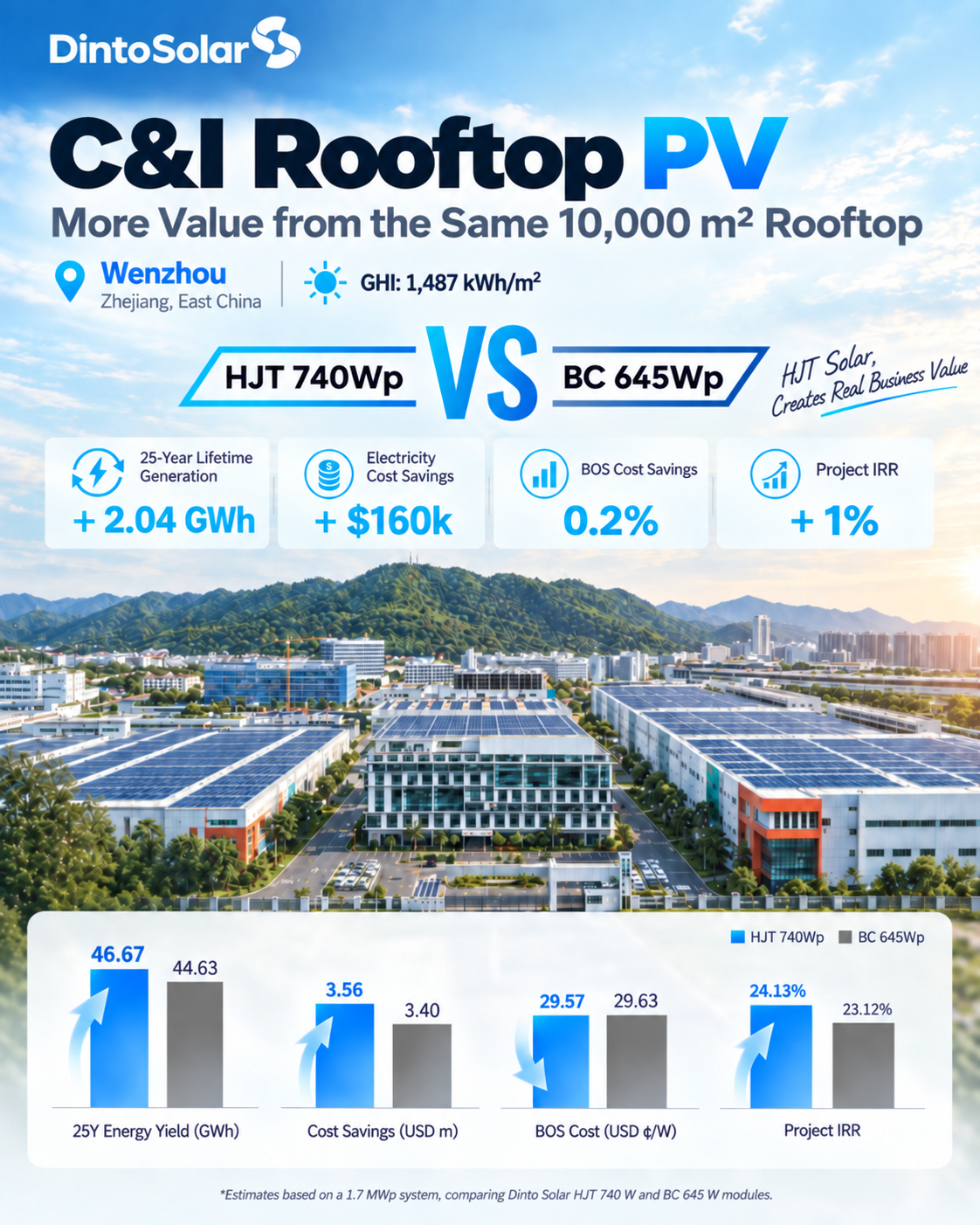
A simulation for a 10,000 m² concrete rooftop in Wenzhou, Zhejiang Province, China, compared Dinto Solar’s 740 W HJT module with a 645 W BC module. With 95 W more power per module, the HJT solution required 322 fewer modules while increasing total installed capacity by 0.47% within the same rooftop area. BOS costs were reduced by approximately US¢0.06/W (RMB 0.004/W).
Over a 25-year operating period, the HJT solution is projected to generate around 2.04 GWh more electricity than the BC solution. Based on a local commercial and industrial electricity tariff of approximately US¢9/kWh (RMB 0.60/kWh), this corresponds to around US$182,000 (RMB 1.22 million) in additional electricity cost savings. The payback period is shortened by around two months, while project IRR increases by approximately 1 percentage point.
Profiled Metal Roofs: HJT Maintains Stable Output Under High Temperatures
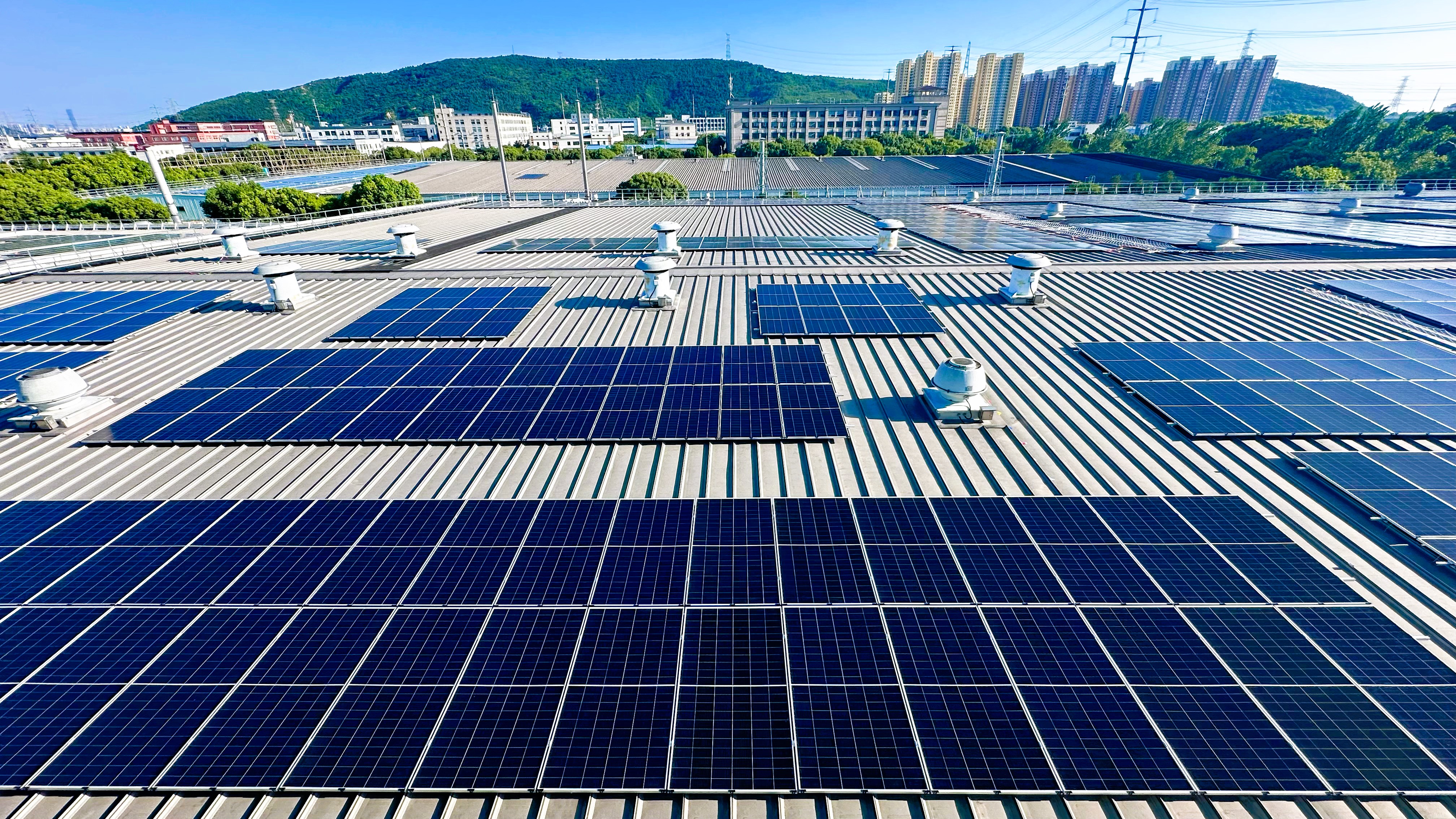
Compared with concrete roofs, profiled metal roofs are typically installed with modules positioned closer to the roof surface, which can limit heat dissipation. Dinto Solar HJT modules feature a superior temperature coefficient of -0.24%/°C and low linear degradation, helping maintain more stable energy generation under high-temperature operating conditions.
A simulation for a 10,000 m² profiled metal rooftop in Wenzhou, Zhejiang Province, China, showed that the 740 W HJT solution required 367 fewer modules than the 645 W BC solution while increasing total installed capacity by 0.51%. BOS costs were reduced by approximately US¢0.04/W (RMB 0.003/W).
Over 25 years, the HJT solution is projected to generate approximately 1.81 GWh more electricity than the BC solution. Based on the same electricity tariff of approximately US¢9/kWh (RMB 0.60/kWh), this translates into around US$163,000 (RMB 1.09 million) in additional electricity cost savings. The payback period is shortened by approximately 1.5 months, while project IRR increases by around 0.79 percentage points.
HJT Value Proven in Real-World Industrial Applications
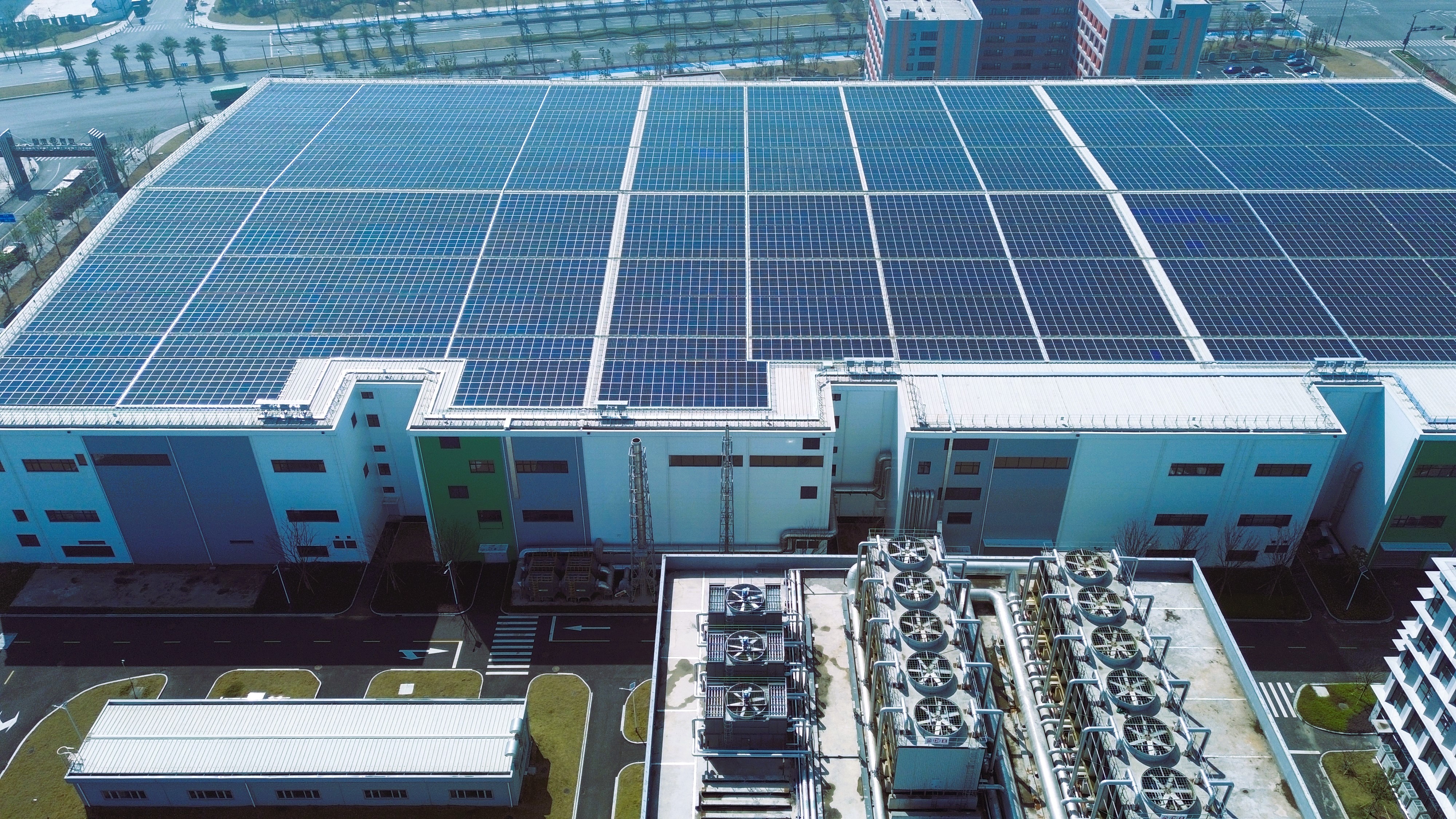
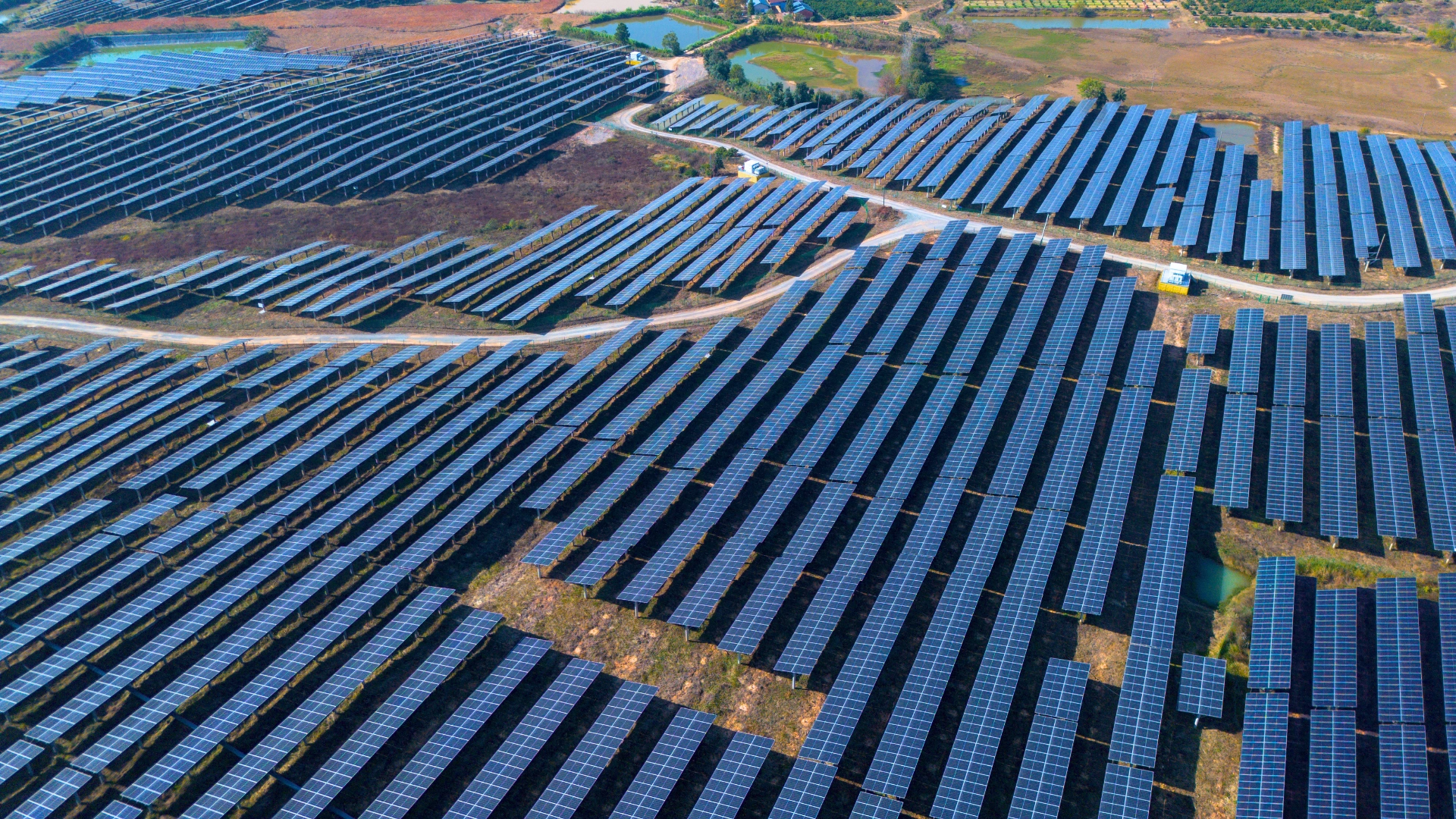
Dinto Solar has installed an 11 MW rooftop PV system at its Longgang manufacturing facility in Wenzhou, Zhejiang Province, China, connecting HJT technology development with real-world application.
The system generates more than 10 million kWh of electricity annually on average, equivalent to saving more than 3,000 tonnes of standard coal and avoiding over 10,000 tonnes of CO₂ emissions each year.
For manufacturers, renewable electricity creates value beyond lower energy costs. It can also strengthen the low-carbon profile of products and support companies in responding to increasingly stringent carbon-management, supply-chain and green-trade requirements.
The Longgang project provides a practical demonstration of HJT performance and carbon-reduction benefits in an industrial environment, while supporting Dinto Solar’s broader efforts to improve product carbon competitiveness in international markets.
As industrial decarbonization continues, Dinto Solar HJT modules have been deployed across commercial and industrial rooftop projects in Zhejiang, Hunan, Hubei, Henan, Shanxi and other regions of China, covering sectors including mining, manufacturing and livestock farming.
From factory rooftops to industrial parks, HJT technology is helping businesses make more effective use of limited rooftop space while improving energy yield and project economics.
A rooftop is more than part of a building. It can also become an energy-generating asset that connects industrial production with long-term sustainability. By integrating HJT technology with real-world applications, Dinto Solar is helping turn limited rooftop space into greater energy yield, stronger project economics and long-term value.