














 Back to List
Dinto Solar Selected for Both HJT Module Lots Totaling 1 GW in Energy China’s 2026 Tender


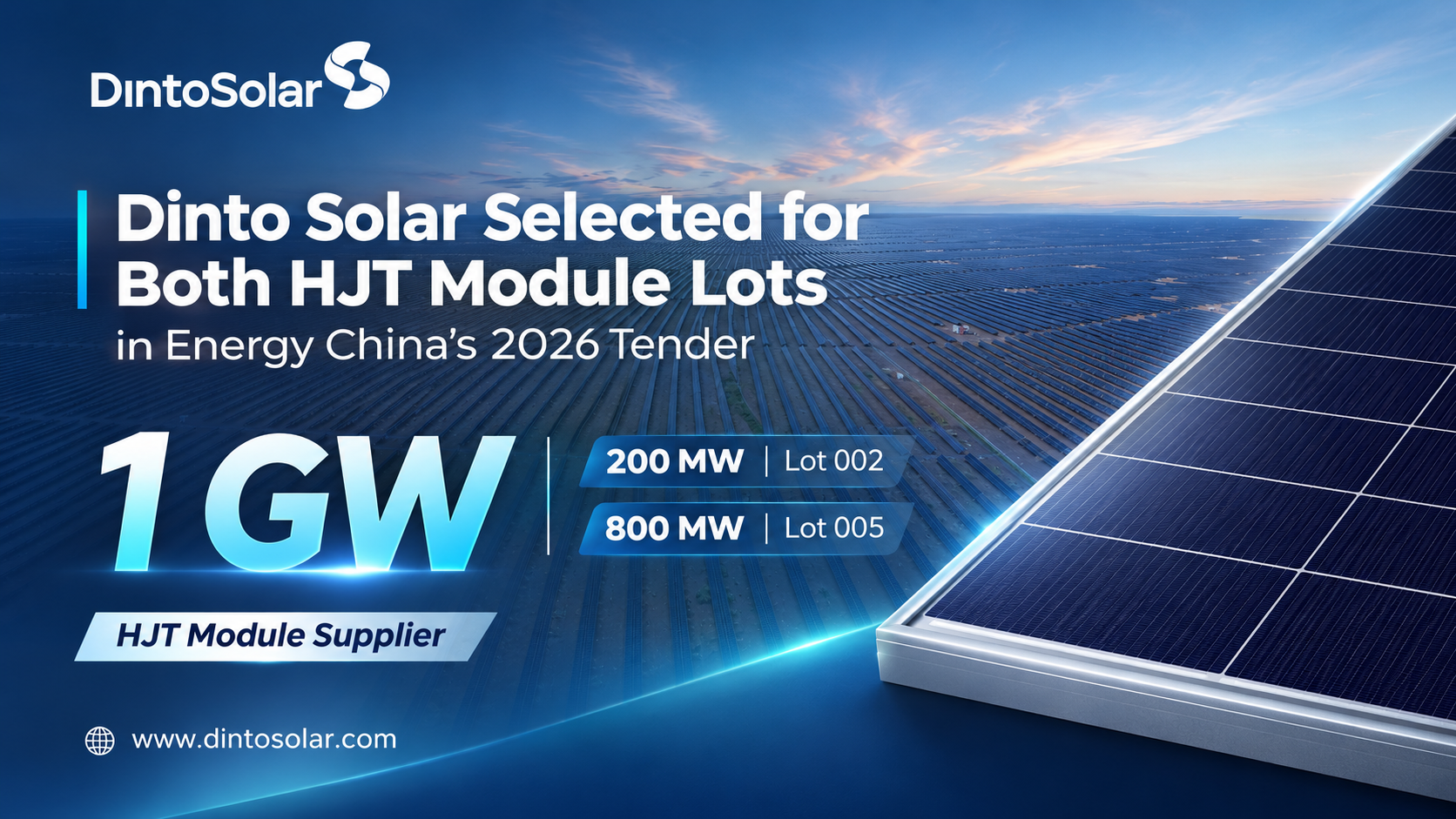
Dinto Solar has been selected as a supplier for both heterojunction (HJT) module lots in the 2026 solar module tender issued by China Energy Engineering Group Co., Ltd. (Energy China). The two lots represent a combined procurement volume of 1 GW, comprising 200 MW for projects undertaken by Energy China as an engineering contractor (Lot 002) and 800 MW for projects in which the group invests directly (Lot 005).
Energy China is a major state-owned engineering group whose activities range from planning and designing renewable energy projects to building, financing and operating them. Its annual procurement programme evaluates suppliers on module performance, product quality and their ability to supply modules in the volumes required for large energy projects.
The 2026 tender covers an estimated 15 GW across six lots for TOPCon, HJT and back-contact modules, with dedicated lots for each technology in both project categories. In July, Dinto Solar won a bid in the 1 GW HJT module category of China Datang Corporation’s 2026–2027 framework procurement programme. Its selection by Energy China brings Dinto Solar into a second major state-owned energy group’s HJT procurement programme this year.
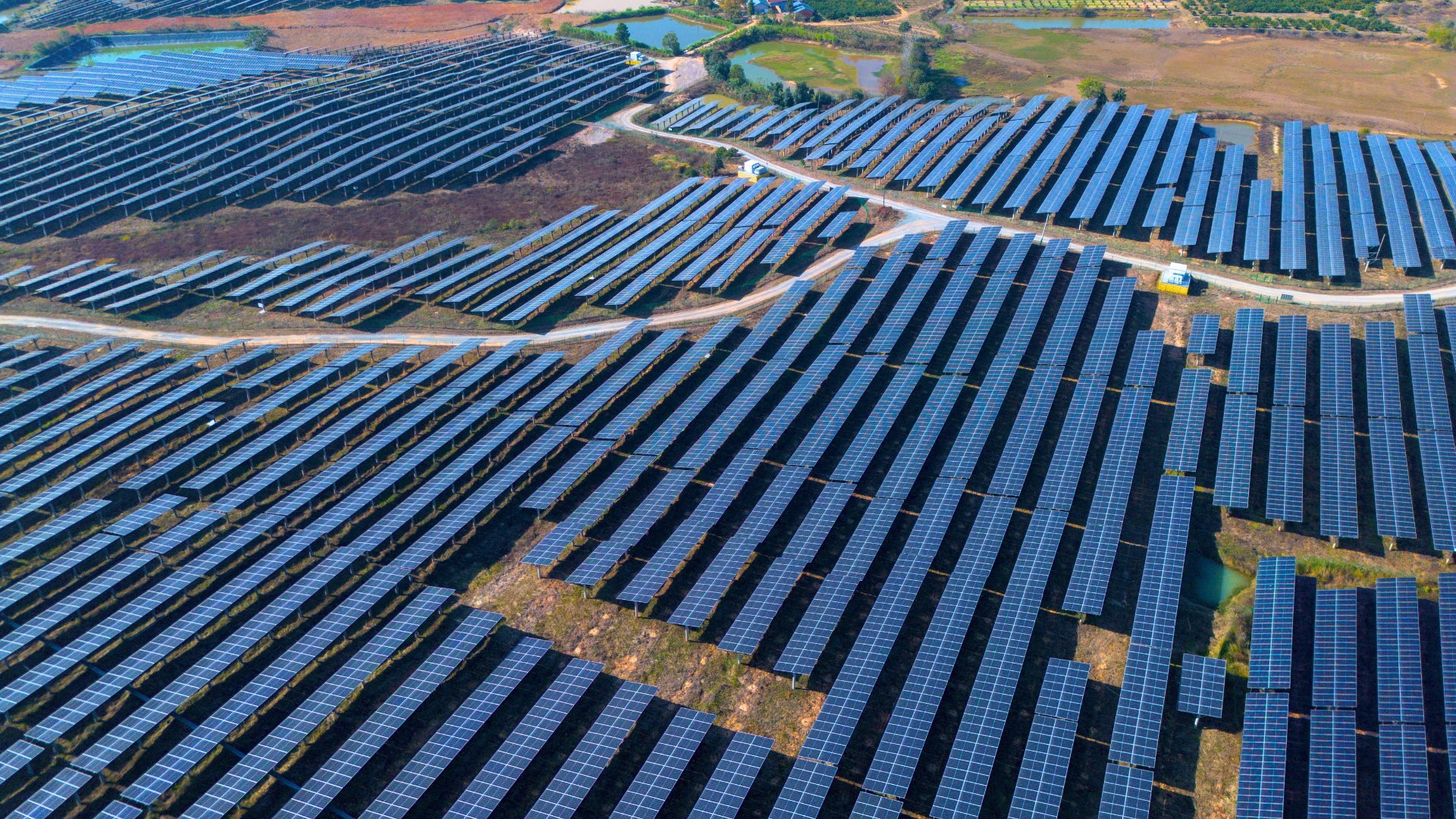
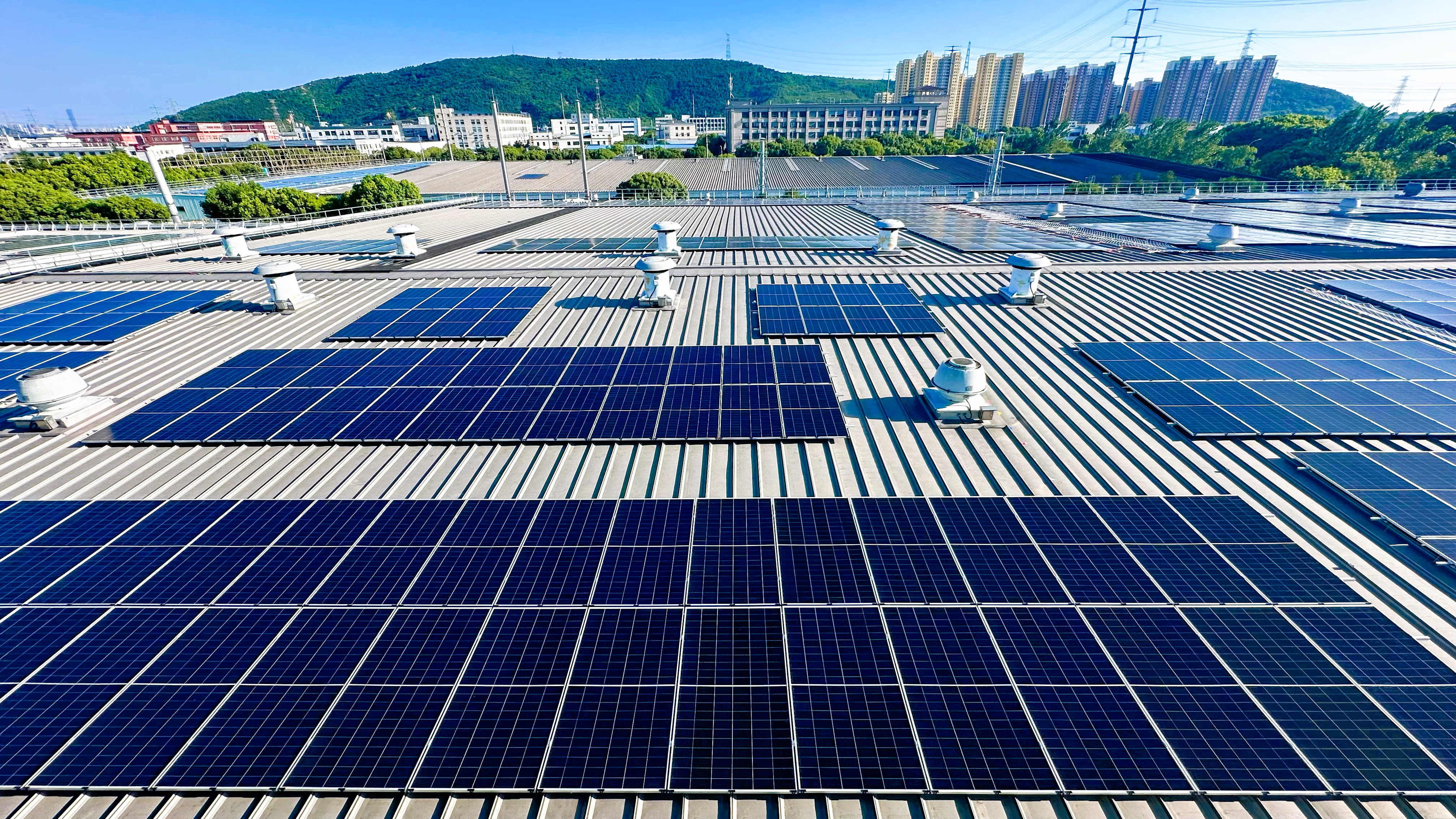
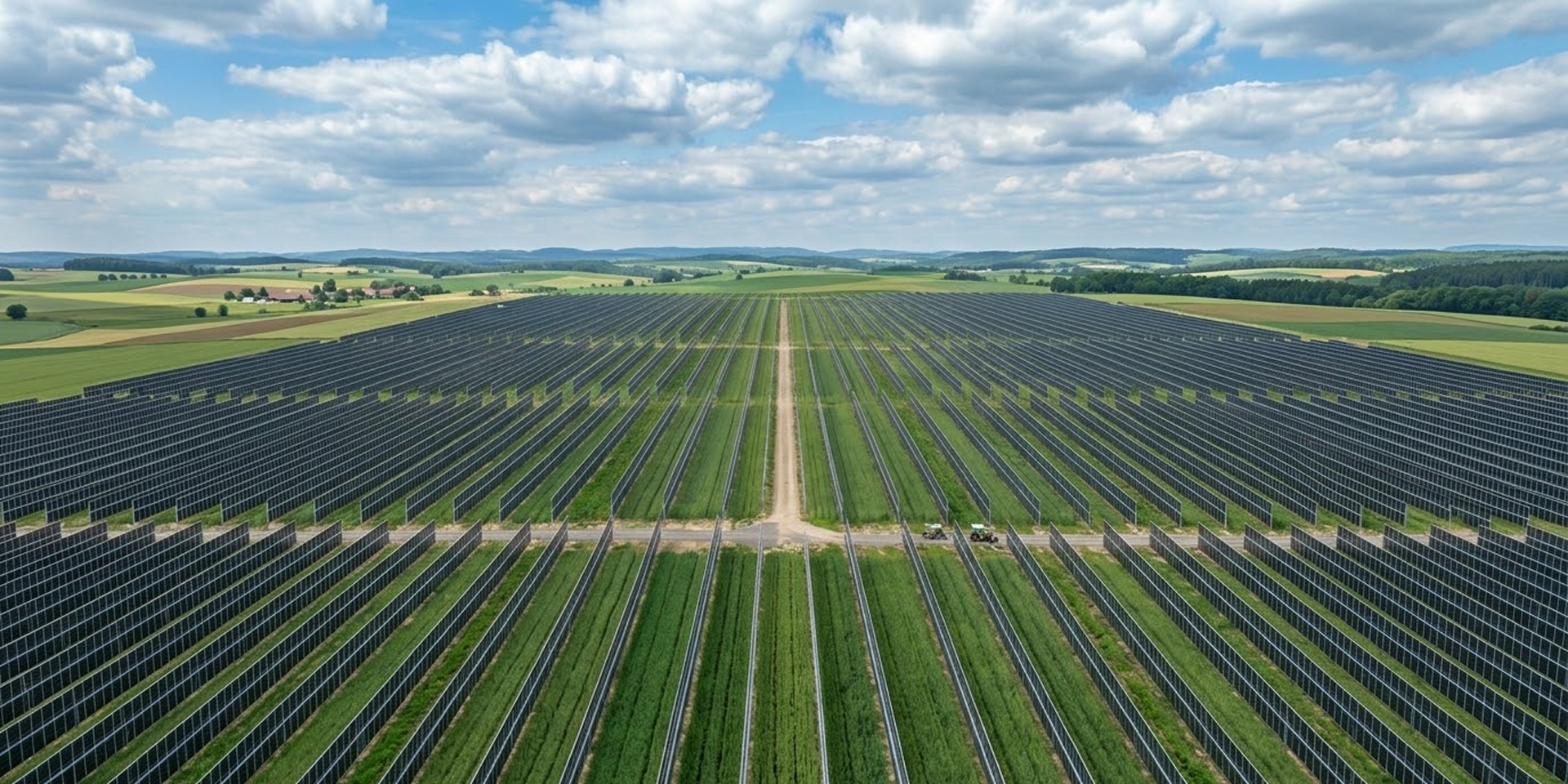
For solar developers, module selection depends on the constraints of each site and the energy a plant can generate over decades of operation. On commercial and industrial rooftops, usable area limits the capacity that can be installed. Mountainous sites present similar constraints, while desert solar plants face high operating temperatures. For projects that combine solar generation with fish farming, long-term reliability is also an important consideration.
Dinto Solar’s HJT modules combine high conversion efficiency and high power output, enabling developers to install more capacity per square metre. With bifaciality of 90% or higher, the modules can use light reflected from the ground to generate additional electricity. A superior temperature coefficient of −0.24%/°C helps limit power losses at elevated module temperatures, while low degradation helps sustain energy yield over the life of a plant. These characteristics support the long-term project returns developers consider when comparing module technologies.
Dinto Solar will continue to develop higher-efficiency cells and refine its module manufacturing processes, with a focus on delivering consistent performance at production scale for utility-scale solar plants and distributed generation projects.